Open Your Creativity: The Ultimate Guide to T-Shirt Screen Printing Success
On the planet of t-shirt screen printing, the trip from concept to development is both gratifying and complex. Recognizing the fundamental strategies and devices is critical for anyone wanting to create high-quality layouts that reverberate with their audience. This overview intends to brighten the vital actions and finest practices that can raise your screen printing ventures. The path to success is not simply regarding grasping the craft; it additionally involves strategic marketing to successfully showcase your distinct offerings. What are the vital insights that can transform your strategy to this imaginative process?
Comprehending Screen Printing Fundamentals
Recognizing the principles of screen printing is important for anybody seeking to develop top quality customized T-shirts. This functional printing method entails moving ink with a mesh screen onto fabric, permitting resilient and vivid layouts. The process starts with producing a stencil, recognized as a display, which is created to obstruct out locations where ink ought to not be used.
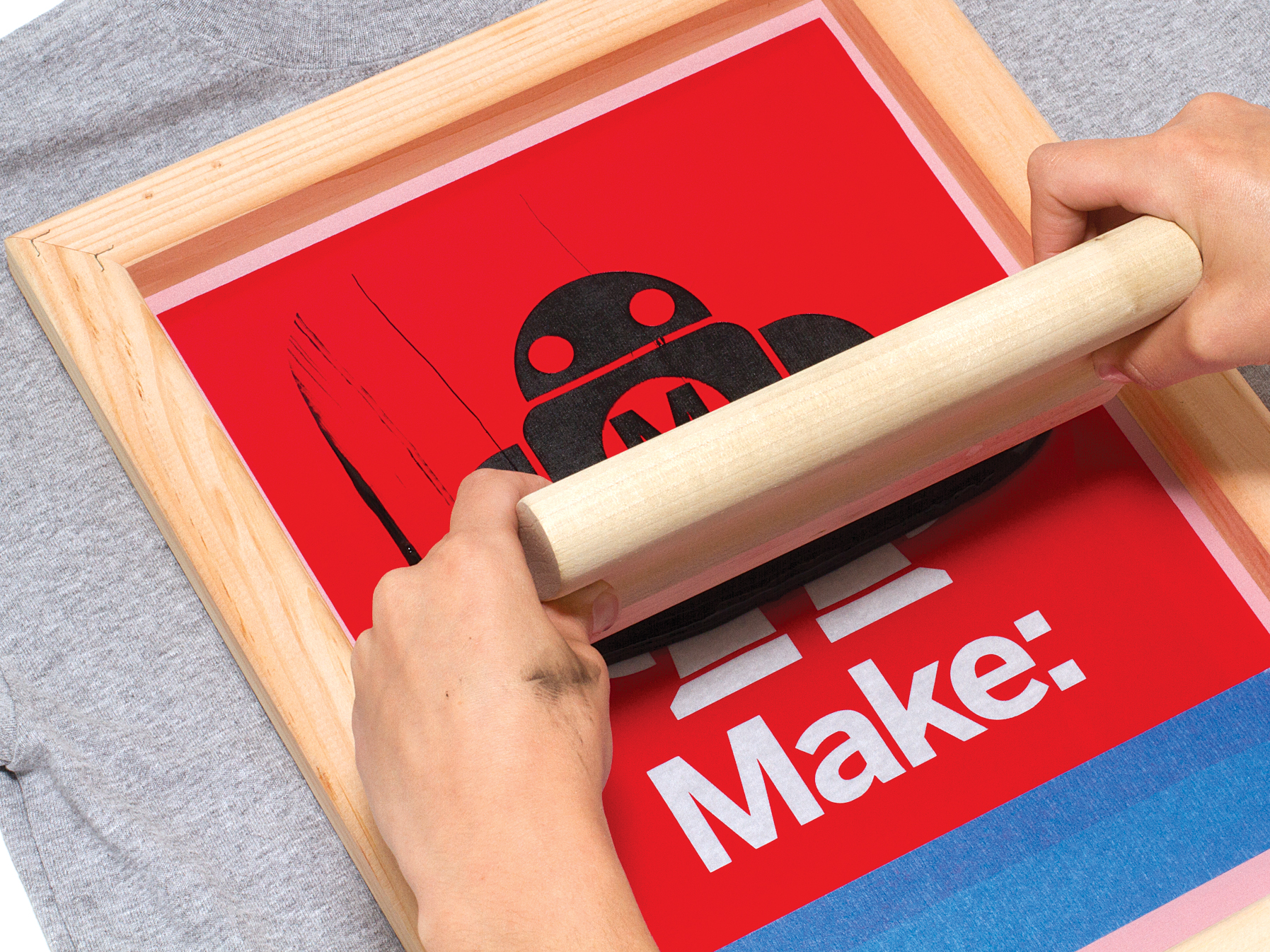
As soon as the screen is prepared, the fabric is positioned underneath it, and ink is pushed via the mesh making use of a squeegee - Business Branding Services Abilene. This approach enables accurate application and can accommodate various design and colors. The elegance of screen printing copyrights on its ability to generate big quantities of regular prints, making it a preferred option for events and organizations
Moreover, recognizing the intricacies of screen printing can substantially influence the last item. Aspects such as ink viscosity, mesh count, and healing approaches can influence the total high quality and longevity of the print. By understanding these standard concepts, people can ensure their customized T-shirts not only satisfy visual assumptions yet also stand the examination of time relating to wear and washability.
Crucial Products and Tools
To efficiently perform screen printing, a selection of crucial products and tools is needed. At the foundation of any type of screen printing configuration is the screen itself, usually constructed from polyester mesh stretched over a light weight aluminum or wood framework (Business Branding Services). This mesh holds the stencil that defines the graphic to be published
Next, you will require a squeegee, a device used to push ink via the screen onto the textile. The type of squeegee and its durometer (hardness) can impact the quality of the print, so pick one ideal for your job.

Added products include solution and a light for developing stencils, in addition to tape for protecting the screen and protecting against ink bleed. A work space equipped with cleansing materials will certainly help with correct maintenance of your devices and displays, ultimately enhancing your printing effectiveness.
Improving Creating Your T-Shirt Graphics
Developing engaging graphics for your T-shirts is a fundamental action in the screen printing process. The style ought to not just record attention yet also share a message or motif successfully. Begin by brainstorming ideas that resonate with your target market. Consider present patterns, social references, or individual experiences that can inspire distinct styles.
Use style software program such as Adobe Illustrator or CorelDRAW to bring your principles to life. Take note of shade concept; choosing the right scheme can significantly impact the total charm of your graphics. T-Shirt Printing. Verify that your layout is high-resolution, preferably 300 DPI, to keep quality when published
Think of the placement of your graphics on the Tee shirts. Common locations include the front center, back, or sleeves. Each placement has its own aesthetic effect, so pick sensibly based on your style and target market. Furthermore, think about the type of ink and material you will certainly be using, as these can affect the final appearance of your graphics.
Preparing Your Screens
Preparation is important for attaining high-quality screen prints - Screen Printing. The process starts with picking the suitable mesh screen, as the mesh count straight affects the information and quality of your prints. A better mesh matter is suitable for intricate designs, while a coarser count works best for bold graphics
Next, make specific that your displays are complimentary and tidy from any impurities. Dirt, oil, or remaining emulsion can endanger print quality. Use a degreasing service to extensively clean up the displays before using the solution.
Applying the solution equally is important, as any disparities can lead to undesirable blemishes in the last print. Utilize an inside story coater for a smooth, consistent layer, and allow enough time for drying out in a dark setting to prevent direct exposure to light.
Once dry, it's time to expose your screens using a light. Follow the producer's guidelines for exposure times to attain the very best results. After exposure, rinse the screens thoroughly to reveal your style, making certain that the areas implied to print are clear. Correctly prepared displays will set the structure for an effective printing procedure, improving the overall quality of your t-shirt layouts.
The Printing Process Explained
Recognizing the printing process is vital for accomplishing premium results in screen printing - Abilene T-Shirt Screen Printing Company. This area will certainly cover vital parts consisting of effective screen preparation techniques, numerous ink application approaches, and the crucial curing and ending up actions. Each of these elements plays a substantial function in the overall success of the printing task
Screen Preparation Strategies
Effective screen preparation is essential for accomplishing high-quality prints in the screen printing process. The success of your prints greatly depends on the thorough preparation of the screen, which functions as the foundation for your layout.
Begin with picking a suitable screen mesh, as the mesh matter influences the detail and opacity of your prints. A greater mesh matter is optimal for intricate designs, while a lower count appropriates for strong graphics. Next, properly degrease the screen to eliminate any type of impurities that could impact bond. This action assures that the solution sticks evenly to the screen surface.
After degreasing, apply a light-sensitive solution utilizing an inside story coater, making certain an uniform layer across the screen. Exposure to light will certainly solidify the solution where it is not covered by your layout, so it is imperative to use a well-contrasted transparency film for finest results. Post-exposure, rinse the unexposed solution, disclosing the pattern for your layout.
Ink Application Approaches
Precision in ink application is important for achieving vibrant and regular lead to the screen printing procedure. Numerous approaches can be employed to use ink properly, each with unique benefits relying on the style and textile kind.
One of the most usual strategy is using a squeegee, which evenly distributes ink across the screen to move the design onto the substrate. The stress and angle at which the squeegee is held can greatly influence the ink's thickness and clarity. For detailed or detailed styles, a finer mesh screen can be used, enabling much more precise ink application.
Another technique is flood layer, where a layer of ink is very first spread across the screen before the real printing stroke. This strategy ensures a constant ink circulation and lowers the threat of smudging or unequal application.
For sure applications, specialized tools such as rollers or spray weapons may be used, giving extra flexibility. Each approach needs skill and practice to master, however recognizing the subtleties of ink application can remarkably enhance the top quality of your screen printing work, causing dynamic and resilient prints on your T-shirts.
Curing and Finishing Steps
As soon as the ink has been used to the Tee shirts, the following phase in the screen printing procedure involves healing and finishing the prints to verify toughness and quality. Healing is the vital step that guarantees the ink sticks properly to the fabric, protecting against fading or peeling throughout cleaning and wearing. This is normally achieved through warmth, where the printed t shirts are subjected to a specific temperature for an established period, permitting the ink to bond with the fibers.
There are several techniques of healing, with one of the most usual being the use of a conveyor dryer or a warm press. Conveyor clothes dryers give consistent heat and are appropriate for larger batches, while warm presses are excellent for smaller runs or specialized things. It's essential to check the temperature level and time properly, as insufficient treating can cause compromised prints.
Ending up steps might include high quality checks for print imperfections, trimming excess threads, or folding and packaging the t-shirts for delivery. Executing these healing and completing procedures not only improves the long life of the prints yet additionally contributes to the general expert look of the end product, essential for client satisfaction.
Treating and Completing Your Prints
Curing and finishing your prints is a vital action in the screen printing procedure, as it guarantees the resilience and vibrancy of the design. Comprehending effective curing strategies can greatly affect the final item, while resolving usual concerns during this stage can enhance overall top quality. This section will check out the value of appropriate treating, different finishing strategies, and exactly how to troubleshoot constant challenges.
Relevance of Proper Treating
Guaranteeing proper treating is vital for accomplishing top quality screen prints that are aesthetically enticing and resilient. Healing refers to the process of using warm to the published ink, which triggers chain reactions that strengthen the ink onto the fabric. This action is vital for ensuring that the ink sticks effectively, protecting against problems such as cracking, fading, or peeling with time.
The treating procedure varies depending on the sort of ink made use of; plastisol inks, for instance, normally require a temperature level of around 320 ° F(160 ° C) for adequate curing. Insufficient healing can cause a range of issues, including poor clean sturdiness, which may cause the print deteriorating after just a few laundries.
Additionally, proper treating enhances the vibrancy of the print colors, making certain that designs preserve their desired look. It is very important to keep track of the curing temperature level and time properly, using reputable tools such as a warmth press or conveyor clothes dryer.
Strategies for Effective Finishing
Three key methods can substantially enhance the finishing procedure of screen-printed T-shirts, assuring both longevity and aesthetic charm. First, reliable healing is critical. Using a reliable heat source, such as a conveyor dryer or warm press, assurances that the ink reaches the appropriate temperature. This not only sets the ink however additionally improves adhesion to the textile, resulting in a long-lasting print.
Second, correct cleaning and drying out techniques contribute substantially to the ending up top quality. After treating, allow the T-shirts to cool down sufficiently prior to managing. When cleaning, choose cold water and moderate cleaning agents to maintain the vibrancy of the shades. Air drying is more effective, as it minimizes the risk of warm damages from clothes dryers.
Lastly, consider post-curing therapies. Using a heat press for a couple of seconds after the initial treating can better enhance the ink's sturdiness and give a smoother surface. In addition, integrating finishing sprays or softeners can enhance the responsive feel of the textile, elevating the total top quality of the Tee shirts. By implementing these strategies, you can accomplish an expert standard in your screen-printed designs, contributing to consumer fulfillment and repeat business.
Repairing Common Concerns
Despite having proper techniques in place, problems can still arise during the treating and finishing stages of screen printing. One typical trouble is insufficient curing, which can cause prints that rinse or discolor swiftly. To address this, verify your curing temperature matches the producer's specifications for the ink being utilized, normally around 320 ° F (160 ° C) Utilize a trustworthy warmth resource, like a conveyor clothes dryer, and confirm the temperature level with a heat gun.
An additional problem is under-exposure during the printing procedure, which can cause inadequate bond and breaking. To fix this, check your exposure times and readjust based on the particular solution and light.
Furthermore, uneven surfaces can happen because of inappropriate application of the finishing spray or too much ink application. To treat this, apply a consistent layer of spray and verify that your squeegee strategy is consistent.
Always enable ample time for prints to cool previously handling - Abilene T-Shirt Screen Printing Company. This reduces the danger of smudging and confirms the honesty of the layout. By adhering to these guidelines, you can effectively fix and boost the high quality of your screen-printed designs
Tips for Advertising And Marketing Your T-Shirts
Effectively marketing your tee shirts needs a blend of imagination and tactical preparation. Begin by determining your target audience; recognizing their preferences will certainly lead your layout and advertising initiatives. Make use of social media platforms to showcase your productions. Engaging visuals and compelling narration can aid establish a brand identification that resonates with potential clients.

Utilize influencer collaborations to increase your reach. Collaborating with people who straighten with your brand name values can lend trustworthiness and draw in brand-new fans. Furthermore, think about running targeted advertisements on systems like Facebook and Instagram to reach a bigger audience, making certain to tailor your messaging based on group understandings.
Don't neglect the power of pop-up stores and neighborhood events. Joining area markets or fairs permits you to attach straight with consumers and build brand loyalty. Offer special offers or limited-edition designs to develop seriousness.
Regularly Asked Questions
Just how Do I Choose the Right Material for Screen Printing?
Selecting see post the ideal material for screen printing includes considering elements such as absorbency, texture, and weight. Cotton blends are excellent for vivid prints, while artificial materials use durability. Select fabrics suitable with your ink type for ideal results.
Can I Print on Colored or Dark Shirts?
Yes, you can print on colored or dark shirts. It is important to use specialized inks, such as plastisol or discharge inks, which give adequate opacity to ensure long lasting and vivid layouts on darker textiles.
Layouts What Is the most effective Way to Shop My Screens?
To guarantee durability and top efficiency, shop your screens level in a trendy, dry environment, away from straight sunshine. Usage safety covers to stop dust build-up and avoid piling to stop damage to the solution.
How Often Should I Clean My Screens?
Regular cleansing of screens is necessary to maintain print top quality and durability. It is advisable to clean screens instantly after usage, making certain the removal of ink and solution, consequently avoiding accumulation and protecting peak performance.
What Are Common Blunders to Avoid in Screen Printing?
Usual errors in screen printing include incorrect screen stress, poor ink mixing, ignoring to clean displays completely, inaccurate exposure times, and falling short to execute test prints. Each of these can substantially impact the end product's quality.
At the structure of any kind of screen printing arrangement is the screen itself, generally made of polyester mesh extended over a light weight aluminum or wood frame. Efficient screen prep work is essential for attaining top notch prints in the screen printing process. Precision in ink application is important for attaining lively and regular results in the screen printing process. Once the ink has been applied to the Tees, the following stage in the screen printing process entails curing and finishing the prints to validate longevity and top quality. Usual blunders in screen printing consist of incorrect screen stress, insufficient ink mixing, neglecting to tidy displays completely, inaccurate exposure times, and stopping working to execute test prints.
Comments on “The comprehensive manual to mastering Screen Printing for beginners”